

News Story


Mar 2026 / Blog
Endometriosis affects 1.5 million women and those assigned female at birth across the UK. Roughly one in 10 women of reproductive age is affected, making it the second most common gynaecological condition nationally. Despite its prevalence, it remains a misunderstood condition with a frustratingly long diagnosis timeline.
As part of the continued development of its Women’s Health Policy, ACT is proud to have become an Endometriosis Friendly Employer. Involvement in the scheme, created by charity Endometriosis UK, is a commitment to nurturing an environment and culture that enables ACT’s employees to thrive at work.
An important part of its pledge is it spread awareness of the condition, its symptoms and the ways in which those with the condition can be better supported.
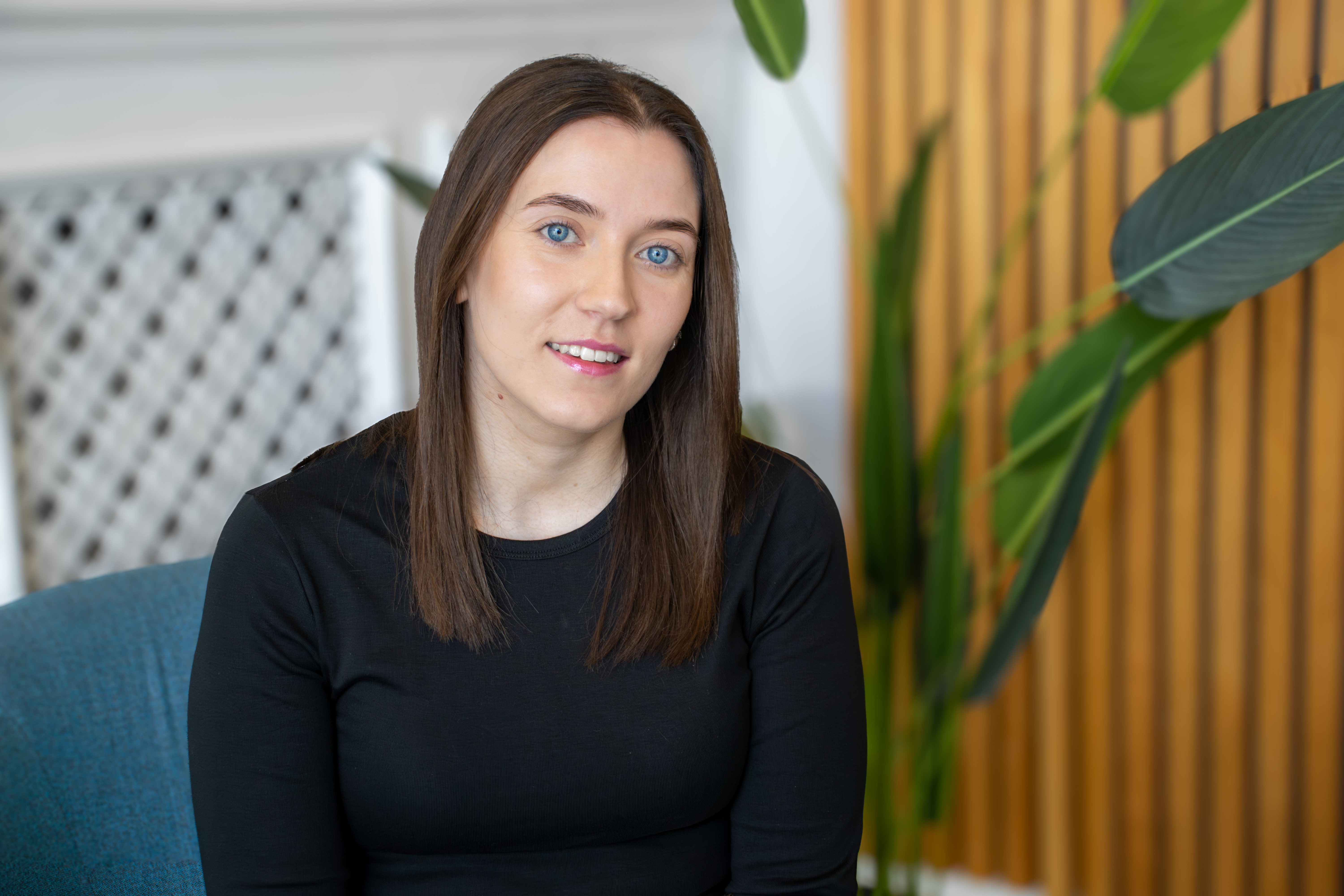
ACT’s Contracts Support Lead, Sarah Stokes, has lived with endometriosis for most of her life, but it wasn’t until recently that she finally received a diagnosis.
Despite experiencing debilitating symptoms from the age of eleven, a diagnosis only came after nineteen years of fighting to be heard. She shared her experience with us in the hope others will be better informed on the condition.
One of the prevailing myths surrounding the condition is that it’s ‘just a bad period’. Endometriosis occurs when cells similar to the ones in the lining of the womb are found elsewhere in the body. These cells can grow and change in response to hormones in the menstrual cycle, which can cause inflammation, pain and scar tissue.
Common symptoms include painful and heavy periods, yes, but also pain and inflammation at other times outside of menstruation. For Sarah, fatigue is something she has struggled with for decades.
“I regularly need to rest and nap often due to fatigue. I’ve been called lazy for it,” she explained. “But it’s just another symptom of endometriosis that people don’t understand.”
She added that one of the hardest parts of managing endometriosis professionally has been the lack of awareness around women’s health issues in general. “There is not enough funding or research into women’s health,” she said. “People’s attitudes are often, ‘oh, she looks fine. She was fine yesterday, so how can she be worse today?’
“I feel guilty for the way my symptoms have a knock-on effect sometimes. I can’t predict when that’s going to be.”
Endometriosis can affect more than just the reproductive system. There have been cases of the condition affecting people’s lungs, noses and even brains. Sarah shared that a recent surgery to treat her endometriosis also alleviated numbness she had experienced in her leg for years. This was due to the endo tissue compressing on her pelvic nerves which radiated numbness down her leg, something that is surprisingly common for sufferers.
Despite a wealth of symptoms, many of which with direct correlations with one another, Sarah experienced years of being shrugged off by medical professionals.
“Nobody looked at my records. I was anaemic, with low B12, rheumatoid arthritis, period issues, leg pain and nobody puts two and two together,” she said. “How have I gone all those years with the same issues and not one person thought to connect the dots?”
Thankfully Sarah finally received a diagnosis at the age of 30, opting to pay privately for treatment.
Workplace support has also helped as she navigated this period.
“Knowing that there’s flexibility and understanding removes stigma and helps you manage symptoms without added stress,” she said.
“Having a private wellbeing room you can go to when you’re in pain sometimes and you don’t want to be around people is great. You can just relax,” she explained. “Making sure period products are fully stocked in bathrooms is also important as you can get caught out.”
Asked if she had any advice for managers, she added: “Not one size fits all when it comes to symptoms or how people cope so don’t make assumptions.
“Educate yourself before you try to support someone, because not everyone will be open in the same way. And don’t dismiss how somebody is coping or feeling just because you don’t understand it.”
For colleagues struggling in silence, Sarah urged self-compassion. “Don’t feel guilty. Adding guilt on top of everything else is not going to help the situation whatsoever,” she said. “Have your painkillers, your hot water bottle, your heat pads and change of underwear ready to go. Don’t be ashamed.”
Looking ahead, Sarah hopes workplaces like ACT continue to evolve in their approach to women’s health. “Open communication, flexibility, and the knowledge that your condition is understood is validating,” she said. “Hopefully, the struggles we face today will help someone else tomorrow.”
If you would like to learn more about Endometriosis and how to better support staff with the condition, visit Endometriosis UK.
